Fall Prevention for Seniors: How Families Can Reduce Everyday Risks
Common Fall Hazards Families Should Recognize
A fall can significantly affect an older adult’s health, confidence, mobility, and ability to live independently. Although falls become more common with age, they are not an unavoidable part of growing older.
Effective fall prevention for seniors begins with understanding the factors that increase risk. Changes in balance, vision, medication, strength, mobility, and the home environment can all contribute to a fall. By recognizing these risks early, families can make practical changes that help their loved ones remain safer and more confident.
This guide explains common causes of senior falls, how to make everyday surroundings safer, and when additional support may be helpful.
Why Fall Prevention for Seniors Matters
Falls are a serious concern for older adults. The Centers for Disease Control and Prevention reports that more than one in four adults age 65 and older falls each year. A previous fall also increases the likelihood of falling again.
Even when a fall does not cause a major injury, it can create a fear of falling. That fear may cause a senior to walk less, avoid activities, or withdraw from social situations. Reduced activity can then contribute to muscle weakness and balance problems, creating an ongoing cycle of increased risk.
Thoughtful fall prevention for seniors helps protect more than physical safety. It can also support independence, confidence, social engagement, and quality of life.
Identify Common Causes of Senior Falls
Falls rarely have only one cause. They often result from several physical, medical, and environmental factors occurring together.
Common risk factors include:
- Muscle weakness or balance problems
- Vision or hearing changes
- Dizziness when standing
- Foot pain or unsafe footwear
- Difficulty walking
- Medication side effects
- Poor lighting
- Loose rugs and electrical cords
- Cluttered walkways
- Slippery bathroom surfaces
- Lack of stable handrails
- Cognitive changes or confusion
Families should pay attention to changes in how a loved one walks, stands, uses stairs, or moves through familiar spaces. Holding onto furniture, avoiding certain rooms, or struggling to rise from a chair may indicate that additional assistance is needed.
Review Medications With a Healthcare Provider
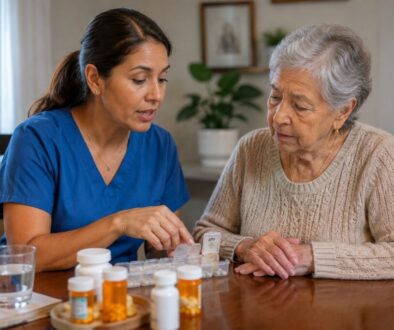
Medication management is an important part of fall prevention for seniors. Some prescription medications, over-the-counter products, and combinations of medicines can cause dizziness, drowsiness, confusion, or changes in blood pressure.
Older adults should periodically review all medications and supplements with a doctor or pharmacist. Families should not stop or change a medication without professional guidance.
During a medication review, ask whether any medicine could:
- Cause dizziness or sleepiness
- Affect balance or coordination
- Lower blood pressure
- Interact with another medication
- Increase confusion
- Require a different dosage
A healthcare provider may be able to adjust the timing, dosage, or combination of medications to reduce unwanted effects.
Improve Strength, Balance, and Mobility
Regular physical activity can help older adults maintain the strength and coordination needed for safer movement. The National Institute on Aging recommends appropriate physical activity and strength and balance exercises as part of reducing fall risks.
Walking, gentle stretching, chair exercises, and supervised balance activities may be helpful, depending on the person’s health and mobility. A doctor or physical therapist can recommend an appropriate exercise plan.
Good fall prevention for seniors should encourage safe movement rather than unnecessary inactivity. Avoiding movement entirely can weaken muscles and make future falls more likely.
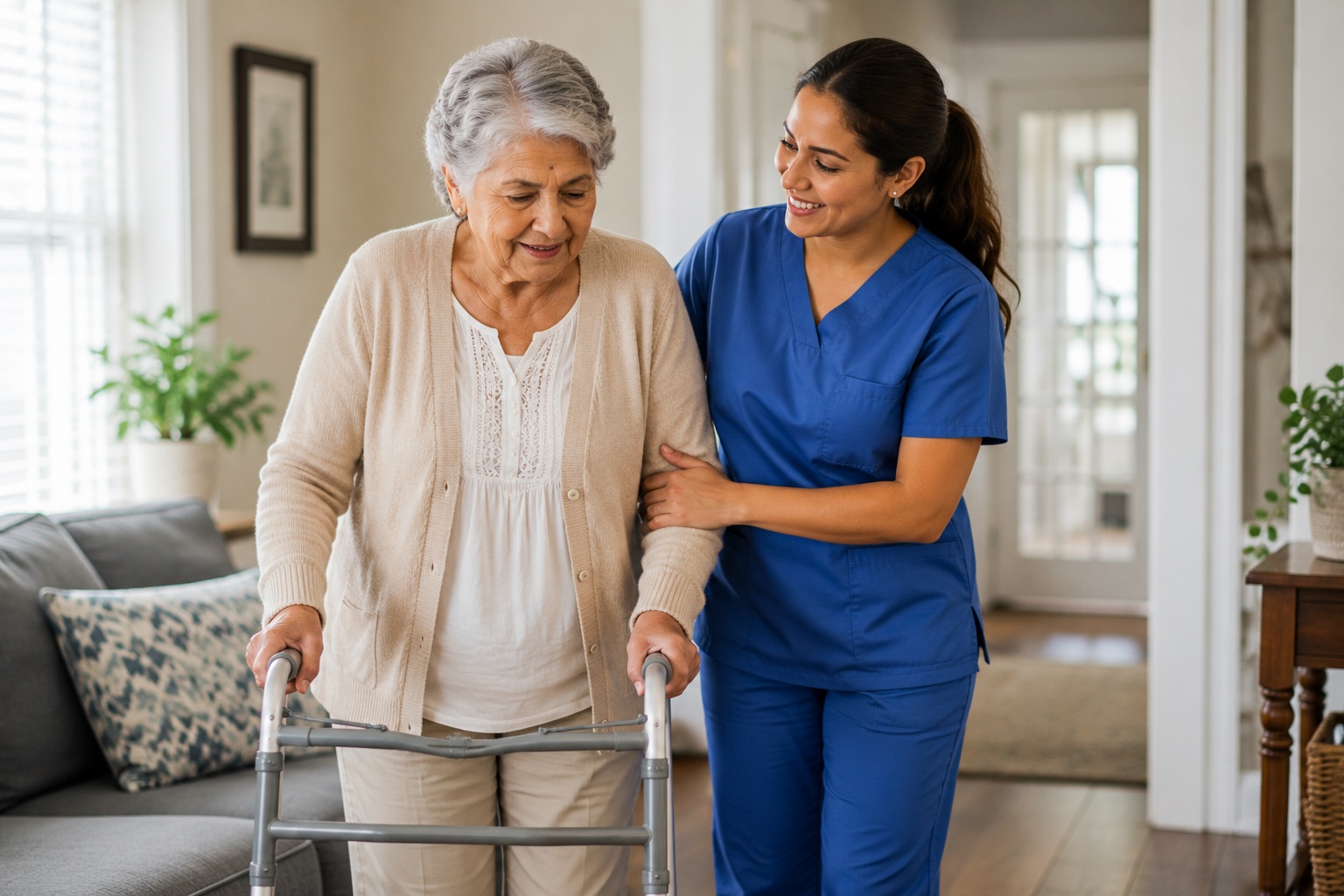
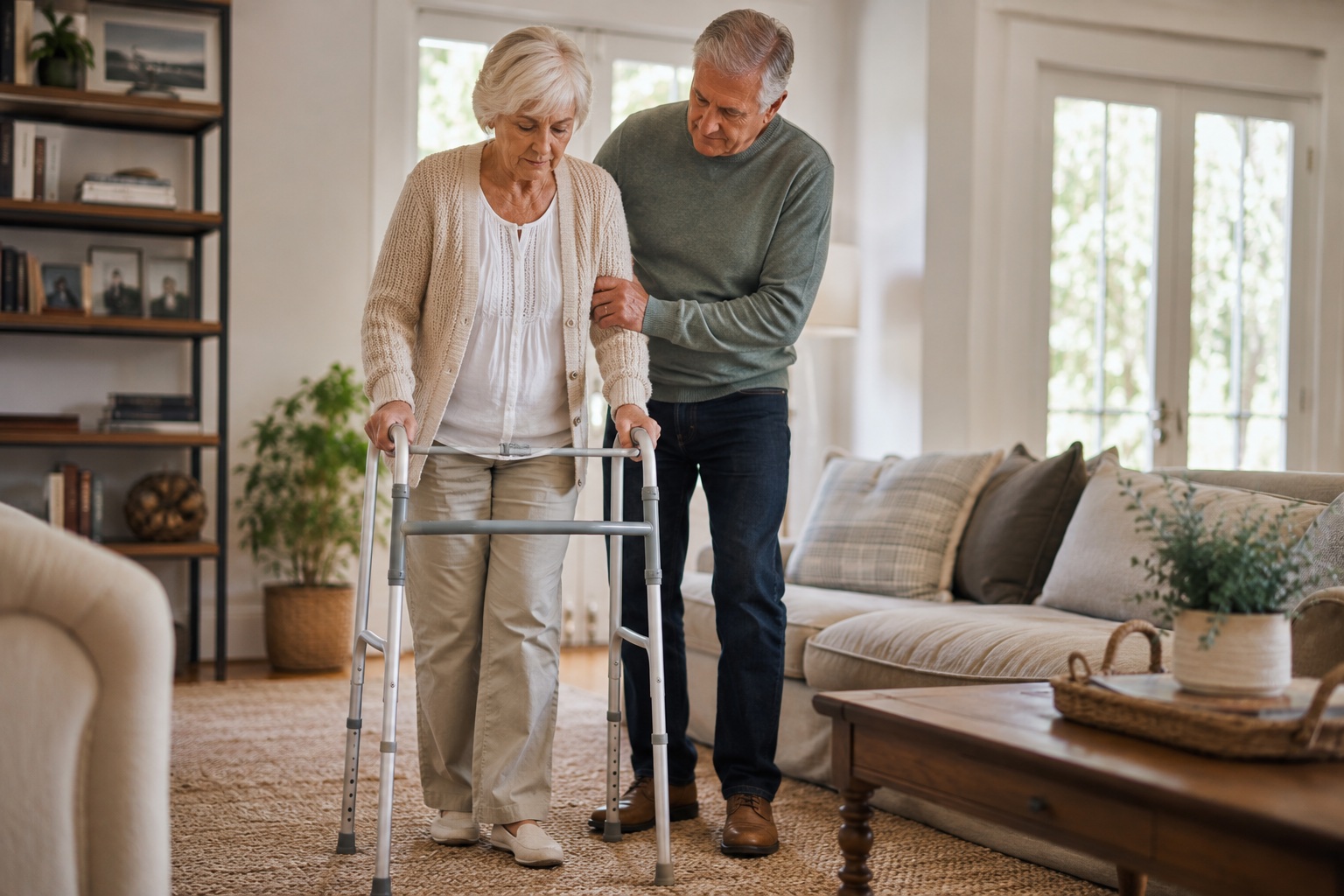
Seniors who use canes, walkers, or other mobility aids should also make sure the equipment fits correctly and is being used as directed.
Make the Home Safer Room by Room
A home safety review can uncover risks that families may overlook because the surroundings are so familiar.
Living Areas
Remove loose rugs, clutter, small furniture, and electrical cords from walking paths. Arrange furniture so the senior has enough room to move safely without having to squeeze through narrow spaces.
Stairways and Hallways
Install secure handrails, repair uneven steps, and provide bright lighting. Light switches should be easy to reach from both the top and bottom of a staircase.
Bathrooms
Bathrooms are especially important when planning fall prevention for seniors. Install grab bars near the toilet and inside the shower or tub. Use non-slip surfaces, consider a shower chair, and keep frequently used items within easy reach.
Bedrooms
Place a lamp and phone near the bed. Make sure the pathway to the bathroom is clear and use night-lights to improve visibility after dark.
Kitchens
Store regularly used dishes, food, and appliances at waist or shoulder height. Seniors should avoid standing on chairs or unstable stools to reach cabinets.
The National Institute on Aging also recommends improving lighting, securing carpets, using night-lights, and installing bathroom grab bars to reduce household fall hazards.
Schedule Regular Vision and Hearing Checks
Clear vision and hearing help older adults recognize obstacles, judge distances, and remain aware of their surroundings.
Annual eye examinations can identify changes associated with cataracts, glaucoma, outdated prescriptions, or other conditions. Eyeglasses should be clean and appropriate for the activity being performed.
Hearing evaluations may also be beneficial. Difficulty hearing environmental cues, instructions, or approaching people can affect awareness and balance.
Including sensory health in a plan for fall prevention for seniors helps address risks that may not be obvious during a basic home inspection.
Choose Safe Clothing and Footwear
Shoes should fit securely and provide good traction. Backless slippers, loose sandals, smooth soles, and high heels can increase fall risk.
Clothing should not drag on the floor or restrict movement. Robes, pajama pants, and long dresses should be checked to ensure the senior cannot step on the fabric.
When getting out of bed or rising from a chair, encourage the senior to move slowly. Standing too quickly can cause dizziness, particularly for someone experiencing changes in blood pressure.
Watch for Changes After a Fall
A fall should be discussed with a healthcare provider even when the senior appears uninjured. Pain, weakness, dizziness, medication effects, or an underlying health concern may have contributed to the incident.
After a fall, document:
- Where and when it happened
- What the person was doing
- Whether dizziness or weakness occurred
- What shoes or mobility aids were being used
- Whether an injury resulted
- Any recent medication changes
This information can help a healthcare provider identify patterns and recommend appropriate next steps.
Know When Additional Senior Care May Help
Some families can reduce risks through home modifications and occasional assistance. Others may notice that their loved one increasingly needs help with bathing, dressing, medication, walking, meals, or getting safely through the day.
Professional senior care can support fall prevention for seniors through attentive supervision, mobility assistance, medication management, consistent routines, housekeeping, nutritious meals, and help with daily activities.
Farmwood Senior Living provides personalized senior care in welcoming, home-like settings in Mint Hill and Charlotte. Its small residential environment and individualized approach allow caregivers to become familiar with each resident’s routines, abilities, and changing support needs.
Frequently Asked Questions
-
1) What is the best way to prevent falls in seniors?
The best approach combines home safety improvements, medication reviews, appropriate exercise, vision care, safe footwear, and support with daily activities. Since fall risks vary, families should develop a plan around the senior’s health, mobility, environment, and personal needs.
-
2) What are the most common causes of falls in older adults?
The most common causes include muscle weakness, balance problems, medication side effects, vision changes, dizziness, unsafe footwear, clutter, poor lighting, and slippery surfaces. Falls frequently occur because several risk factors are present at the same time.
-
3) How can I make a senior’s home safer?
You can make a senior’s home safer by clearing walking paths, removing loose rugs, improving lighting, installing handrails and bathroom grab bars, and keeping frequently used items within easy reach. A room-by-room safety review can identify hazards that may otherwise go unnoticed.
-
4) Should a senior see a doctor after falling?
Yes, a senior should speak with a healthcare provider after a fall, even when no obvious injury is present. The provider can evaluate possible causes such as medication effects, dizziness, vision changes, balance problems, or an underlying medical condition.
-
5) How can assisted living help reduce fall risks?
Assisted living can help reduce fall risks by providing supervision, medication management, mobility assistance, housekeeping, structured routines, and support with bathing, dressing, and other daily activities. An individualized care plan can address each resident’s specific abilities and safety concerns.
Building a Safer Plan for Your Loved One
Effective fall prevention for seniors does not depend on one single change. It involves reviewing health conditions, medications, mobility, footwear, daily routines, and the surrounding environment.
Begin with the most immediate safety concerns and involve your loved one in the process whenever possible. The goal is not to take away independence. It is to create the support and surroundings that make independence safer.
Families in Mint Hill, Charlotte, Mecklenburg County, and surrounding North Carolina communities can contact Farmwood Senior Living to learn more about personalized care, daily living assistance, and a safe, compassionate environment for an aging loved one.
Our Locations
Mint Hill: 7301 Canterway Drive Mint Hill, NC 28227
Charlotte: 8110 Ottawa Lane Charlotte NC 28227

Ready to get started?
Personalized Senior Assisted Living and Care
Farmwood Senior Living provides quality senior care in a loving, family-friendly environment or at your private home through our home care service. Please contact us today to find out all we have to offer.