
In-Home Care vs Assisted Living: Which Is Right for Your Family?
As seniors age, many families begin asking an important question: what is the difference between in-home care vs assisted living, and which option provides the best support? Every senior has unique needs, preferences, and health considerations, so choosing the right level of care can feel overwhelming. Understanding the benefits, limitations, and daily lifestyle differences between these care options can help families make a more confident decision. Whether a loved one needs occasional assistance, memory support, companionship, or around-the-clock supervision, learning about in-home care vs assisted living is an important first step toward finding the right environment for comfort, safety, and quality of life.
How In-Home Care vs Assisted Living Impacts Daily Life and Independence
When comparing in-home care vs assisted living, one of the biggest differences is where care is provided. In-home care allows seniors to remain in the comfort of their own home while receiving personalized assistance with daily activities. Assisted living, on the other hand, provides a structured residential environment with caregivers available throughout the day.
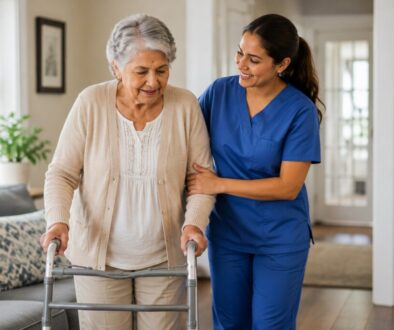
For seniors who value familiar surroundings and independence, personalized senior care at home may feel less disruptive. Services such as senior companionship, senior meal preparation, medication reminders, and extra help with seniors can make daily life easier while helping individuals remain in their homes longer.
Assisted living communities are often beneficial for seniors who require more frequent support, social engagement, or help managing mobility and health concerns. These communities provide meals, activities, housekeeping, and access to caregivers in a secure setting designed specifically for older adults.
Understanding the Benefits of In-Home Care
Many families exploring in-home care vs assisted living discover that home-based care provides flexibility and emotional comfort for seniors who are not ready to leave their homes. In-home respite care and short-term care for seniors can also support family caregivers who need temporary relief while ensuring their loved one continues receiving quality care.
Some advantages of in-home care include:
- One-on-one personalized attention
- Familiar home surroundings
- Flexible scheduling options
- Greater independence
- Customized care plans
- Assistance with meal preparation and companionship
For seniors living in Mint Hill, Charlotte, Mecklenburg County, and surrounding North Carolina communities, home care services can help reduce feelings of isolation while providing practical support for everyday routines.
In many cases, families choose in-home care vs assisted living when their loved one is still relatively independent but needs occasional assistance with meals, hygiene, errands, or companionship.
When Assisted Living May Be the Better Choice
While in-home care offers flexibility, assisted living can provide a higher level of daily structure and access to support services. Seniors who struggle with mobility, memory challenges, medication management, or safety concerns may benefit from a professionally supervised environment.
Families researching in-home care vs assisted living often find that assisted living communities create opportunities for social interaction, recreational activities, and wellness support that may be difficult to maintain at home.
Residents typically receive help with:
- Bathing and dressing
- Medication reminders
- Housekeeping and laundry
- Transportation assistance
- Dining services
- Recreational activities
For seniors experiencing progressive cognitive decline, dementia care and alzheimer’s care programs can also provide specialized routines and secure environments designed to support memory-related conditions compassionately and safely.
Emotional Considerations for Families
Choosing between in-home care vs assisted living is not only a practical decision — it is often an emotional one as well. Many adult children feel pressure to balance safety, independence, finances, and emotional well-being when evaluating senior care services.
Some seniors strongly prefer remaining at home because it provides familiarity, comfort, and emotional stability. Others thrive in assisted living settings where social opportunities and daily interaction become part of their routine.
Open communication with loved ones is essential during this process. Discussing concerns honestly while involving seniors in the decision-making process can help families find a care solution that feels respectful and supportive.
Comparing Costs and Long-Term Needs
Another important factor when evaluating in-home care vs assisted living is long-term affordability. In-home care services are often billed hourly, allowing families to customize care levels based on current needs. However, as care needs increase, costs may rise over time.
Assisted living typically includes bundled services such as meals, housing, housekeeping, and caregiver access within a monthly fee structure. Depending on the level of support required, assisted living may become a more practical long-term solution for some families.
It is also important to think ahead. Seniors who may eventually require dementia care, alzheimer’s care, or extensive supervision may benefit from transitioning into a supportive environment earlier rather than waiting for a crisis situation.
Finding the Right Senior Care Solution
There is no universal answer when comparing in-home care vs assisted living because every family situation is different. The best solution depends on a senior’s physical health, cognitive condition, social needs, mobility, personal preferences, and level of family support available.
Families throughout Mint Hill, Charlotte, Mecklenburg County, and North Carolina often begin with personalized evaluations to determine whether home-based support or assisted living services provide the best fit.
Farmwood Senior Living of offers compassionate and nurturing senior care services designed to support seniors and families through every stage of aging. From assisted living and respite care to dementia care, alzheimer’s care, and personalized support, the experienced team understands the importance of dignity, comfort, and individualized attention. With many years of experience serving seniors and families, Farmwood Senior Living remains committed to helping older adults enjoy a safer, healthier, and more fulfilling quality of life.
Frequently Asked Questions
-
1) What is the main difference between in-home care vs assisted living?
In-home care provides support within a senior’s home, while assisted living offers residential care in a community setting with daily assistance and amenities.
-
2) Is in-home care better for seniors with dementia?
It depends on the stage of dementia. Some seniors benefit from remaining at home early on, while others may eventually require specialized dementia care or alzheimer’s care in a supervised environment.
-
3) How do families decide between in-home care vs assisted living?
Families often consider safety, mobility, medical needs, social interaction, budget, and a senior’s personal preferences when comparing care options.
-
4) Can respite care help family caregivers?
Yes. Respite care and short-term care for seniors provide temporary relief for family caregivers while ensuring seniors continue receiving compassionate support.
-
5) Does assisted living include meal preparation and companionship?
Most assisted living communities provide dining services, social activities, and opportunities for companionship as part of their senior care services.
Our Locations
Mint Hill: 7301 Canterway Drive Mint Hill, NC 28227
Charlotte: 8110 Ottawa Lane Charlotte NC 28227

Ready to get started?
Personalized Senior Assisted Living and Care
Farmwood Senior Living provides quality senior care in a loving, family-friendly environment or at your private home through our home care service. Please contact us today to find out all we have to offer.